
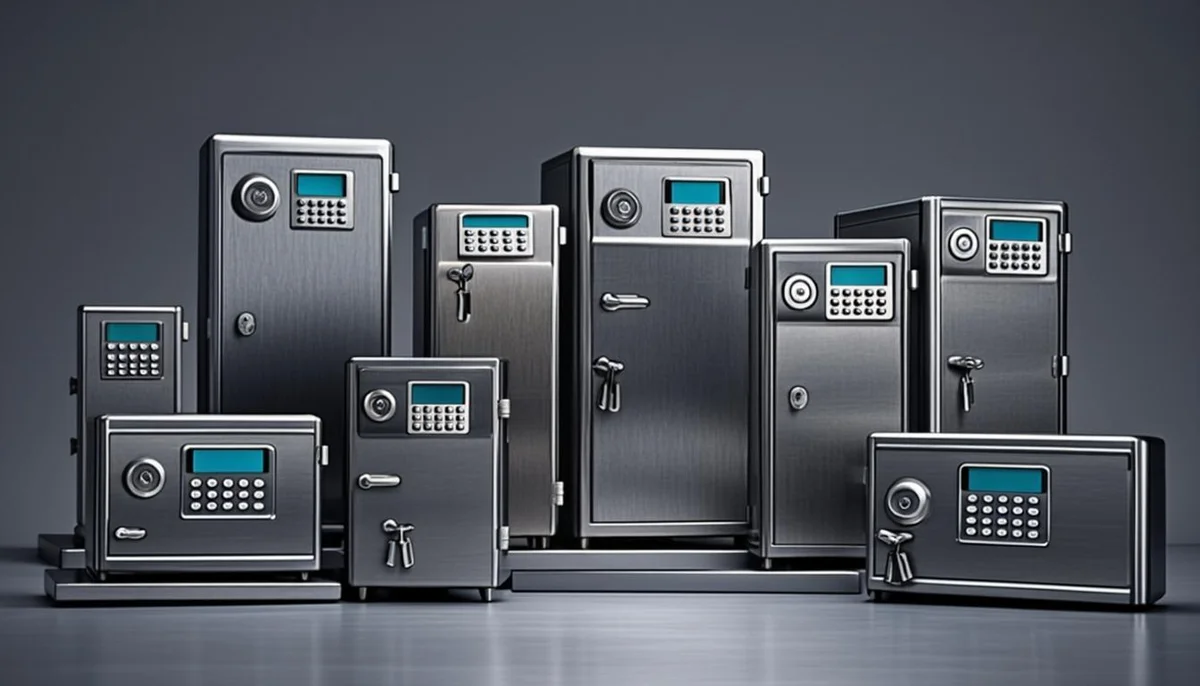
Hotel safes are the second most frequently used in-room amenity after the TV. A faulty safe generates more guest complaints than any other product. Yet many procurement teams treat safes as a commodity purchase, buying the cheapest option and paying for it in maintenance costs.
This guide covers every specification you need to evaluate when buying hotel safes in bulk — steel thickness, lock types, sizes, override mechanisms, and realistic pricing for the Indian market.
Steel Thickness: The Number That Matters Most
Hotel safes are rated by steel body thickness. The industry minimum is 1.5mm — anything thinner can be pried open with a screwdriver. Premium safes use 2mm steel, which requires professional tools to breach. Always specify 'minimum 1.5mm body, 2mm door' in your tender.
At LaxRee, all our safes use 1.5mm body steel (standard) or 2mm (deluxe). We provide a steel-thickness verification certificate with every batch — ask your supplier to do the same.
Lock Types: Digital Keypad vs RFID
Digital keypad safes are the industry standard. Guests set a 3-6 digit PIN at check-in. The keypad should be backlit for dark-room use and rated for 100,000+ presses. Avoid membrane keypads — they wear out within 18 months. Specify 'mechanical push-button keypad' for durability.
RFID safes are newer and allow guests to use their room keycard to lock/unlock. They're more convenient but cost 30-40% more. RFID safes are recommended for 4★+ properties where guest experience justifies the premium.
Size Guide: Small, Medium, Large
Small (200×300×200mm): Fits passports, jewelry, cash. Standard for budget hotels. Bulk price: ₹2,800-₹4,200.
Medium (250×350×250mm): Fits laptops up to 14". Standard for 3-4★ business hotels. Bulk price: ₹3,500-₹5,200.
Large (300×400×300mm): Fits 15" laptops and tablets. Standard for 5★ and suites. Bulk price: ₹4,500-₹6,800.
Always choose a size that fits the most common guest laptop. In India, 14" laptops are most common, so medium is the safe default.
Override Mechanism: The Hidden Cost
Every hotel safe must have an emergency override — for when guests forget their PIN. The two options are: (1) Master code + emergency key (standard, cheaper), (2) Master code + electronic override (premium, no key needed).
Specify that the override key must be unique per safe (not a universal master key). Universal keys are a security liability — if one key is copied, every safe in the hotel is compromised.
Power: Batteries + External Backup
Hotel safes run on 4×AA batteries. A quality safe should last 10,000+ openings on a single set. Always specify a low-battery indicator (LED or LCD display) — guests should never find a dead safe.
External backup power is critical. If batteries die with the safe locked, staff need an external power port (typically a micro-USB or 9V battery terminal) to open it. Never buy a safe without external backup.